Walk into any bustling Asian kitchen and also you’ll see woks at work. They’re not just pans - they’re the spine of stir-frying, deep frying, steaming, or even smoking. But a number of the legion of woks, two forms dominate the dialog: forged iron and carbon metallic. Chefs and domestic cooks alike mull over which fabric certainly shines, in particular when it comes to the all-fundamental query: which heats up rapid?
This is not purely educational. Stir-frying, for instance, depends on intense warm and lightning-fast cooking. If your wok takes too lengthy to warm up - or doesn’t keep onto that heat as you toss in additives - your foodstuff can steam instead of sear, turning what have to be a vigorous, smoky dish into whatever limp and lackluster.
Let’s dig into the modifications that count in the kitchen, drawing on lived revel in and useful trials.
The Two Contenders: Cast Iron and Carbon Steel
Before diving into heating traits, it facilitates to have an understanding of what makes these resources tick.
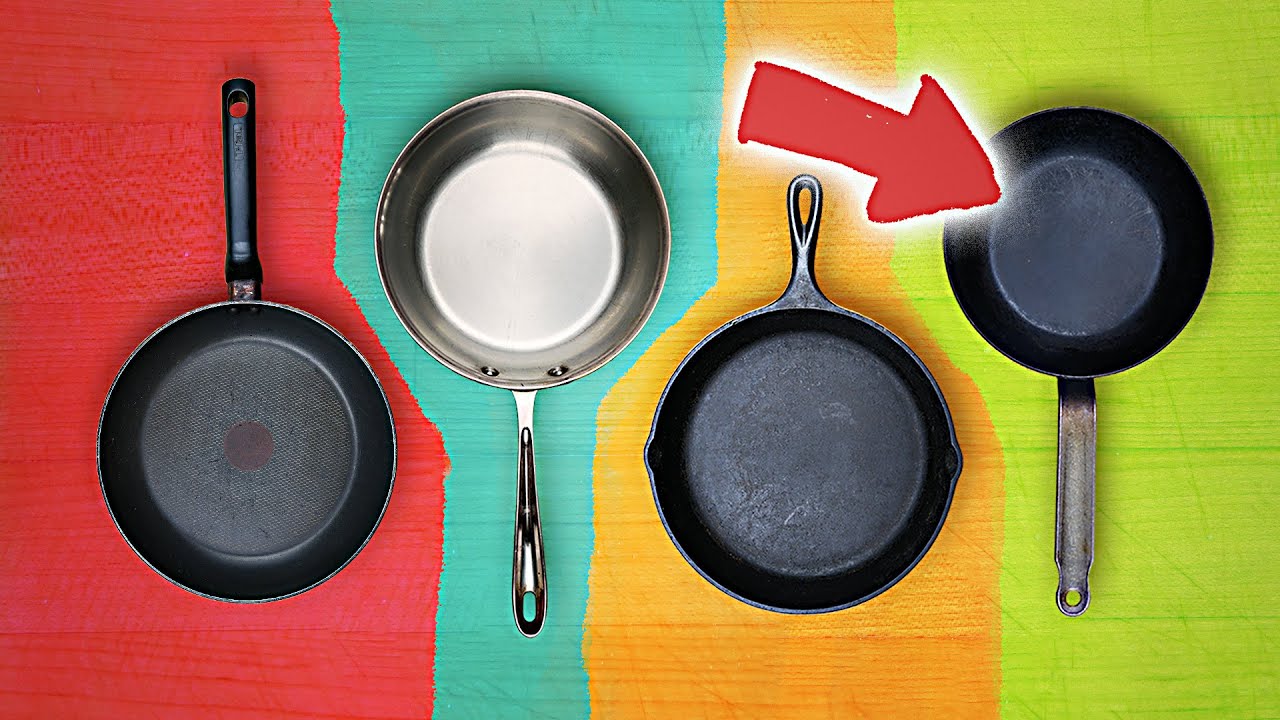
Cast iron woks are cast from molten iron poured into sand molds. They’re thick and heavy, with a country charm and a fame for durability. Traditional Chinese forged iron woks are usually thinner than Western solid iron skillets, but nonetheless some distance weightier than their carbon steel cousins.
Carbon metal woks are created from sheets of steel with a marginally of carbon, hammered or pressed into structure. They’re basically skinny-walled and gentle sufficient to wield with one hand. Most legit Chinese kitchens prefer carbon metallic for its responsiveness.
Both require seasoning - a strategy of construction up a nonstick layer due to repeated heating and oiling. But their day-to-day conduct is the different, highly when the flame flickers on.
Why “Heating Up Fast” Matters
In wok cookery, timing is the whole thing. Quick heating permits you to sear proteins earlier than they overcook, blister vegetables in order that they remain crisp, and flash aromatics except they unencumber their heady scent without burning.
If your wok takes a while to preheat, you lose momentum and menace choppy consequences. Worse still if the temperature drops dramatically at any time when you upload delicacies. The purpose is to retailer the pan screaming sizzling from begin to complete - what chefs call “wok hei,” the elusive breath of the wok that supplies dishes their signature style.
How Heat Travels in Woks
Three bodily residences influence how without delay a pan heats:
- Thermal conductivity: How quite simply heat movements thru the metal. Heat ability: How a lot potential it takes to elevate the pan’s temperature. Thickness/mass: Heavier pans take longer to warmth but may additionally preserve temperature higher.
Cast iron scores low on thermal conductivity but top on warm ability and mass - which means it heats slowly however keeps that heat once hot. Carbon metal is less dense, thinner via layout, and has greater conductivity than solid iron, nonetheless scale down than substances like aluminum or copper.
Real-World Cooking: Lighting Both Woks
Let’s put concept into apply with some kitchen trials.
I’ve used the two types appreciably in abode settings and restaurant kitchens. On a established dwelling house gas burner (say 10-15k BTU), a 14-inch carbon metallic wok in the main preheats in about 2-three mins beforehand oil starts offevolved shimmering and wisps of smoke curl upward. Toss in aromatics, and you hear that speedy sizzle.
A cast iron wok of similar dimension in most cases needs toward five mins on medium-top to succeed in that similar nation. It feels slow to start with - warmth spreads slowly throughout its thicker floor. Once scorching, although, forged iron keeps an excellent baseline temperature, useful for those who’re cooking larger batches or prefer steady warmness across longer periods.
On prime-output restaurant burners (repeatedly 100k BTU or more), each woks come alive a good deal turbo, however carbon metallic nonetheless edges out forged iron in preliminary velocity.
The Science Checks Out
If you look into raw numbers, carbon steel’s thermal conductivity hovers round 50 W/mK, even though forged iron lags at about 30 W/mK. That change indicates up in cooking: carbon metal absorbs and passes alongside warm extra efficaciously.
But it’s now not basically conductivity. Cast iron’s greater heft method greater vigor ought to be pumped in earlier than it receives warm at some point of. If you’re via a small apartment range or induction burner, that may be a proper bottleneck.


Day-to-Day Impacts in Home Kitchens
With years of weekday dinners and weekend feasts behind me, I’ve observed clean styles.
Stir-frying shrimp or thinly sliced red meat in carbon metallic offers immediate browning. Vegetables live vivid and snappy seeing that you’re ready to work instant - a handful at a time - with nearly no ready between batches.
Cast iron might possibly be frustratingly sluggish on weaker burners. Sometimes it appears like you’re coaxing it along, looking forward to that moment when oil in any case dances across the surface. Once it hits stride, notwithstanding, it’s mammoth for braises or deep frying where lasting warmth is an asset.
The big difference becomes stark while making numerous dishes lower back-to-returned for a crowd. With carbon metal, I can wipe down the pan and get top to come back into high-warmness stir frying after a short reheat. With cast iron, I many times locate myself adjusting my pace so the pan can catch up.
Edge Cases: When Cast Iron Wins
For all its velocity, carbon metal can even lose heat right away if overloaded with chilly parts or used on an underpowered range. That’s where solid iron’s inertia will become a bonus - it shrugs off sudden temperature drops larger through its thermal mass.
Let’s say you’re deep frying battered poultry or creating a dry-fried Sichuan red meat the place a great deal of chilly meat hits the pan instantly. Cast iron will maintain continuous superior, decreasing chance of greasy or soggy effects.
Similarly, for stews or braised dishes accomplished inside the wok (imagine red-cooked red meat abdominal), solid iron’s even warmness offers light simmering devoid of warm spots.
Restaurant Realities: Why Pros Favor Carbon Steel
Visit any busy Cantonese kitchen and also you’ll see chefs slinging carbon steel woks over roaring jet burners. The pace of response is indispensable - as materials go in and out briskly, pans have got to get better warmth right away among tosses.
A pro chef can tilt and swirl a carbon metal wok resultseasily. The lighter weight skill less fatigue over lots of swift-cooked portions in a shift.
You do see forged iron in restaurant settings too - more typically in Northern China or for dishes in which slow, even cooking trumps velocity - yet it’s infrequent in high-turnover stir-fry operations.
Practical Comparison Table
Here’s a area-through-edge analyze some key alterations imperative to heating pace:
| Feature | Carbon Steel Wok | Cast Iron Wok | |------------------------|----------------------|-----------------------| | Thermal Conductivity | Higher (speedier heat) | Lower (slower warm) | | Thickness | Thin | Thick | | Weight | Light | Heavy | | Time to Heat Up | 2-three mins | 4-6 minutes | | Heat Retention | Moderate | High | | Responsiveness | High | Low | | Best Use | Stir fry, fast cook | Braise, deep fry |
Numbers are based on wide-spread 14-inch woks on domicile gasoline stoves; your mileage would fluctuate relying on range continual and designated wok layout.
Other Factors That Affect Heating
It’s effortless to concentrate exclusively on textile, but countless different points play into genuine-global functionality:
- Stove Output: A high-powered gas burner can compensate for slower-heating cast iron. On induction or electrical coils, either models take longer however carbon metal still wins via a nostril. Wok Shape: A around-bottomed wok sits closer to the flame than a flat-bottomed one, speeding up heating irrespective of subject material. Seasoning Layer: With repeated use, each woks broaden a polymerized oil layer which may insulate rather. Well-professional pans from time to time preheat extra lightly than new ones. Batch Size: Overloading any wok drops its temperature sharply. Cast iron recovers greater slowly however assists in keeping its baseline as soon as warm; carbon steel rebounds swifter provided that you don’t crowd it.
When Speed Isn’t Everything
There are instances while slower heating is absolutely a bonus. Making fried rice? Quick heating facilitates avoid mushiness as extraordinary grains toast in seconds. But whenever you’re simmering mapo tofu or executing a sluggish-cooked pink braise, even comfortable warm temperature is greater forgiving - here cast iron excels.
I once tried employing my trusty carbon metal wok for Sichuan-model twice-cooked red meat with a protracted simmer phase. It required steady vigilance to avoid hot; switching to cast iron gave me greater leeway and a good cook dinner with less stirring.
Care and Longevity
Another perspective valued at declaring: how heating affects repairs.
With carbon metal’s thinness and pace comes a trade-off: it’s extra delicate to warping beneath sudden thermal shock. Dumping chilly water into a screaming-warm pan can bend it out of shape for remarkable. Cast iron resists warping however can crack if abused with extreme temperature swings.
Both call for seasoning and easy cleansing. Overheating either form regularly can strip away that not easy-earned nonstick patina, sending you again to square one with caught-on eggs or rice.
Recommendations Based on Experience
If your principal purpose is fast, responsive cooking - above all stir-fries and rapid sautés - and your range isn’t notably efficient, carbon metal is fingers-down the winner for heating pace. It’s lighter in the hand and recovers without delay between batches.
If you probably cook in tremendous amounts or do so much of deep frying or slow braises on your wok, cast iron bargains unequalled evenness and staying vitality as soon as it eventually gets hot. Just be arranged for more endurance all through preheating.
You can sincerely personal both. Many Chinese families shop a carbon metallic wok for day-by-day stir-fries and a heavier solid iron edition for forte responsibilities.
Here’s a immediate readiness guidelines for deciding on among them:
Do you most commonly stir fry small batches or favor fast sizzle?Go with carbon metallic. https://franciscofive157.yousher.com/longevity-and-care-cast-iron-wok-vs-carbon-steel-wok Do you occasionally deep fry or braise and have time for sluggish preheating?
Cast iron will be your good friend. Is your stove low-powered or electrical?
Lean towards carbon steel except you’re set on sluggish-cooked dishes. Do you cost gentle maneuverability?
Carbon metal’s lighter weight makes tossing nutrients easier. Are you cooking for crowds with a good deal of bloodless materials?
The thermal mass of cast iron will aid handle warmth.
Final Thoughts
Choosing between solid iron and carbon metal woks isn’t very nearly chemistry or physics - it’s approximately matching your equipment on your behavior and kitchen realities.
For sheer velocity in heating and nimble cooking, carbon steel well-nigh usually leads the %. Cast iron rewards staying power with continuous warmness appropriate for slower arrangements or bigger quantities.
Either means, with some seasoning and perform, the two can ship those smoky flavors and textures that make wok-cooked dishes unforgettable. The correct answer is dependent on the way you cook, no longer just what you prepare dinner with.